 HeyLayla
 Marriage and the Diaspora Kid: Living Between Two Worlds
Growing up in the diaspora can make finding a life partner complicated. Family, culture, faith, independence, and modern life all meet at the same table.
Growing up as a diaspora kid is interesting. You learn very early how to live in two worlds.
At home, there is family, culture, tradition, faith, and a strong sense that you belong to something larger than yourself. Outside the home, you learn independence, personal choice, and the freedom to build your own life.
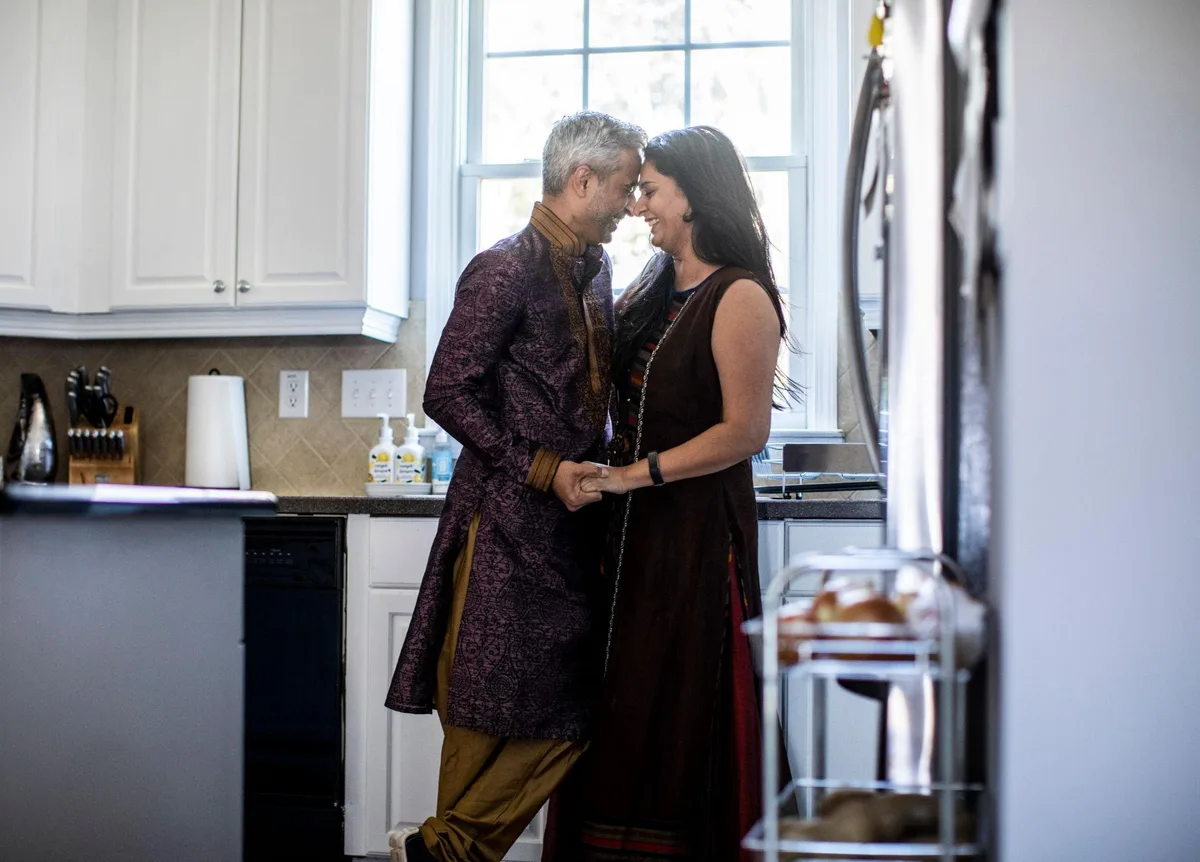
Most days, these two worlds get along just fine.
Then comes marriage.
Suddenly, everyone has an opinion.
Parents may want someone from a good family who understands the culture. You may want someone who understands you — your humor, ambitions, faith, independence, and the strange mixture of East and West that has become completely normal to you.
Neither side is necessarily wrong.
The real problem begins when marriage becomes a choice between two extremes: “My family will decide” or “My family has nothing to do with it.”
There should be a healthier middle.
Your parents can know you better than almost anyone and still not know whom you should marry. You can have complete freedom to choose and still benefit from the wisdom of people who love you.
And somewhere between those two ideas is something rather beautiful: choice with family, not choice by family.
That is especially important for diaspora marriages. Compatibility is rarely just about age, education, profession, or whether two families come from the same place. It is also about the life two people actually want to build.
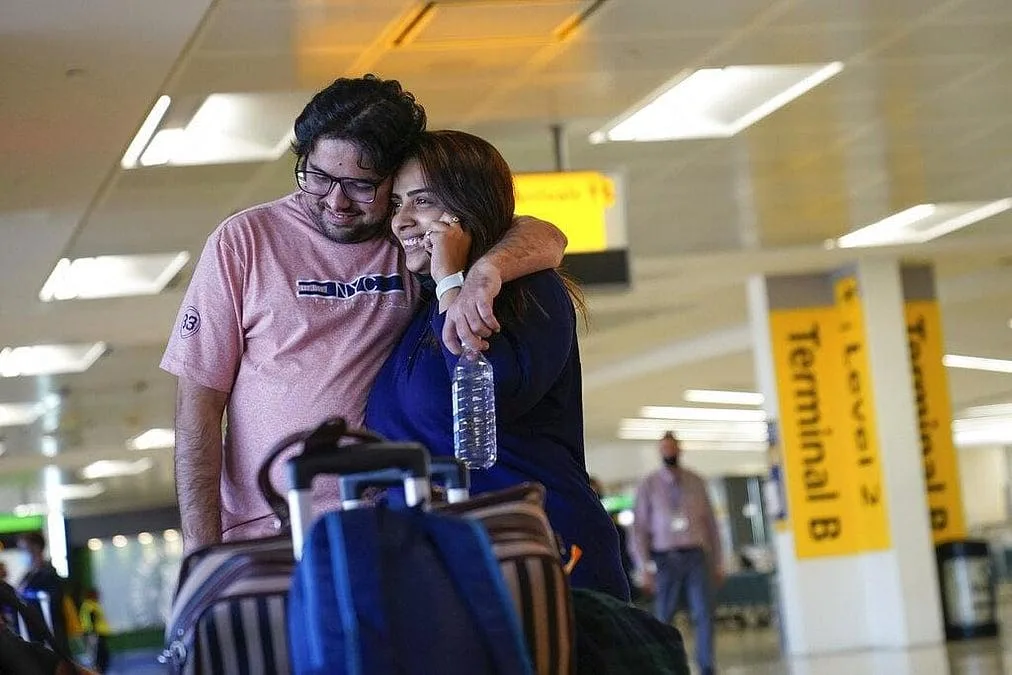
How important is faith at home? Where will you live? How involved will parents be? Do you want children? What does a peaceful home look like? What happens when careers pull in different directions?
These questions are not very glamorous.
They are, however, wonderfully close to real marriage.
That is the thinking behind HeyLayla. It is not about collecting matches or endlessly swiping through faces. It is about helping marriage-minded people discover one another carefully, privately, and with enough control to say both “I’d like to know this person” and “No, this isn’t for me.”
For diaspora kids, perhaps the answer was never choosing between the old way and the new way.
Perhaps we simply needed a better way.